


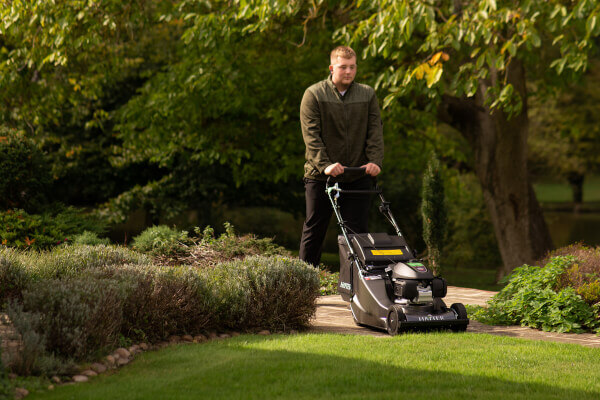
Knowing when to complete that first mow of the year is important: too soon, and you’ll stunt grass growth, but leave it too late, and you’re delaying leisure time in your garden.
For those wondering about the earliest time to cut grass, we’ve prepared the ultimate guide for cutting grass in time for spring.
First lawn mow of the year
Technically not tied to a specific date, your first mow of the year should be when the weather is consistently above 6°C. In the UK, this usually occurs around mid-March.
Make sure your grass isn’t waterlogged or frozen before beginning your first cut. Conditions should be ordinary, ideally with slightly damp grass. If all these conditions are met, then it’s time to get your lawnmower out of storage.
What to do before the first lawn mow of the year
Before you tackle the first mow of the season, sharpen your lawnmower blades to improve cutting efficiency. Dull blades tear grass rather than cut it, damaging the tips and slowing regrowth.
You should also do a full lawn inspection to make sure any debris is cleared beforehand. The winter months can leave our gardens in a mess, especially if it’s been very windy. It’s always best to check borders and long patches of grass for hidden obstructions.
Finally, make sure that your mower has had its yearly service. This will ensure that its warranty stays intact and that it stays in tip-top condition for that first mow of the year.
You can book a service today at your local authorised dealership.
How high should my first lawn cut of the year be?
You should always adjust your mower’s cutting height for the first cut of the year, making sure it’s set as high as possible, while still trimming the tips of the grass. You should never remove more than a third of its height.
Higher cutting heights for the early spring protect the soil from the colder conditions when compared to the summer, reducing stress on the grass and encouraging healthy growth. This keeps your lawn neat, strong and vibrant throughout the season, with shorter grass possible from June onwards.
Top tip: the longer the grass blade length, the more defined the stripe will be. This is because longer grass bends further, creating the visual striped effect thanks to a better-defined shadow. Learn how to stripe your lawn.
How often should I cut my grass after the first time?
As the seasons change, adjusting both the frequency and height of your mowing is key to keeping your lawn healthy.
• Spring (March-May): Mow roughly every two weeks, gradually increasing to weekly mows by May as growth picks up.
• Summer (June-September): Mow once per week, with twice weekly mows possible if the weather is abnormally warm, making growth quicker than usual. You can also lower the cutting height slightly during this period.
• Autumn (October-November): Reduce mowing frequency back to every couple of weeks and return the mower to a higher cutting setting. This helps shield the grass from cooler weather and prepares it for winter.
• Winter (December-February): Do not mow at all – allow your grass to rest so as not to damage the turf or soil.
Read our full guide on when to cut your grass.
Need help with equipment for your first lawn cut of the year?
Whether you need the perfect striping machine or top-notch advice on caring for your lawn, get in touch with the friendly Hayter team.
In the meantime, take a look at our acclaimed battery mowers, petrol mowers and professional mowers if you want to give your lawn the best first mow it could ask for.